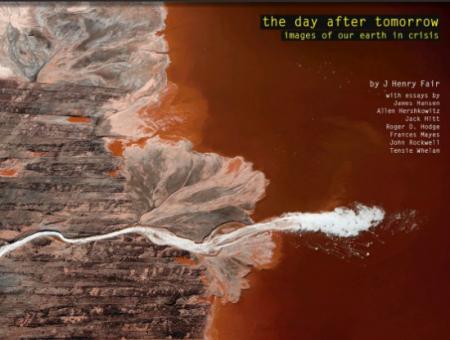
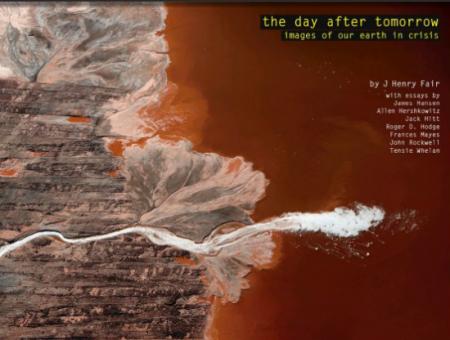
The Day After Tomorrow: Images of Our Earth in Crisis


The Day After Tomorrow takes readers on a journey to bear witness to the environmental destruction that is currently plaguing our planet; from a forest in West Virginia devastated by mountaintop removal mining, to a region in Florida left in ruins by the phosphate mining industry, J. Henry Fair presents hard evidence that our unchecked consumerism is leading the way in the destruction of our planet, one natural resource at a time.
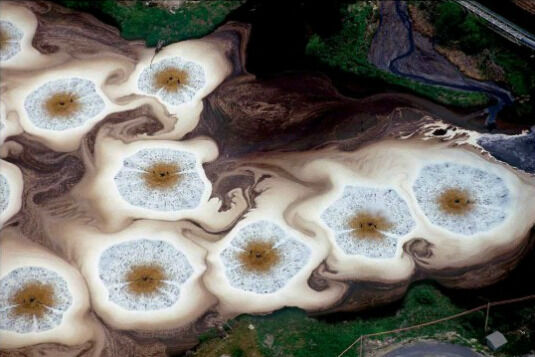
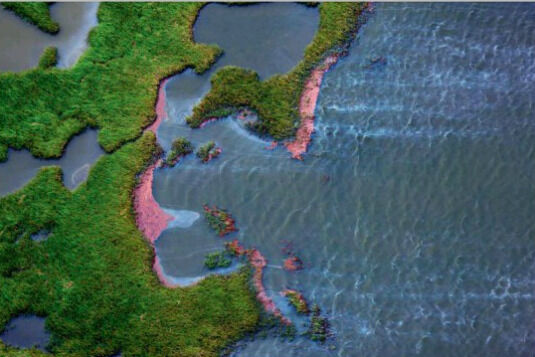
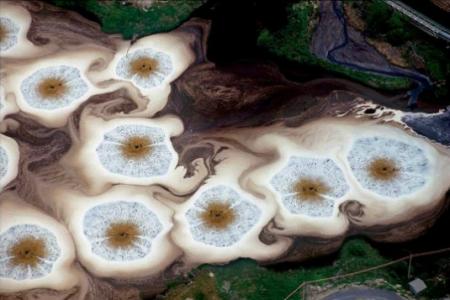
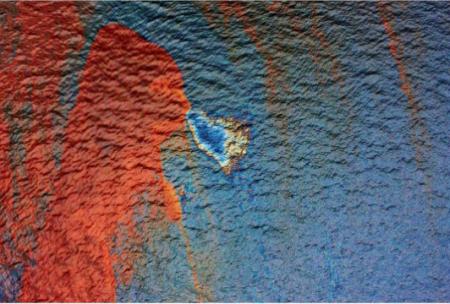
Primarily through the use of aerial photography, Fair captures spellbinding vistas of pools of toxic hog waste, streams of paper mill runoff, and the remains of hollowed-out mountains. These environmental abstractions lure the viewer in with unique asymmetrical shapes and striking colors; however, fascination quickly turns to horror, as the viewer realizes what lurks beneath the surface of the image.
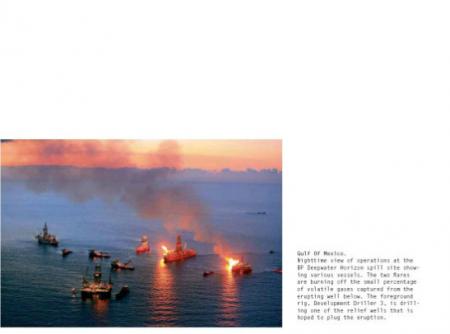
Fair is a consummate environmentalist and after years as a corporate and portrait photographer he turned his lens on the industries that sustain us - oil, fertilizer, coal, and factory farming, to name a few - eager to uncover the dirty little secrets that he knew were well hidden there. It turns out the secrets, and the “dirt” they produce, are far too large to hide. For example: the factory farming industry is responsible for one of the largest environmental disasters in history, wherein a hog waste lagoon burst, causing 25 million gallons of highly toxic sludge to flood the New River in North Carolina, killing ecosystems, animals, and infecting water supplies. Just before Christmas in 2008, the Tennessee Valley Authority power plant was responsible for sending a billion gallons of coal ash waste into the Tennessee River; this spill was 40 times larger than the infamous 1989 Exxon Valdez oil spill. Coal ash is toxic, containing a laundry list of hazardous substances such as uranium, mercury, lead, and arsenic. These are only two examples of the endless calamity we inflict on our environment daily. Now is the time to take action and make change.
More than anything else, The Day After Tomorrow is a call to arms. Our planet dies a little bit every second, and this trend will continue unless we take responsibility. Fair’s images reveal the calamitous effects of our consumer culture’s insatiable appetite for natural resources. Forests are being wiped-out, water supplies polluted and/or drained, animals and humans are dying, but for what? These stunning and tragically beautiful images, in conjunction with an essays by one of America’s leading environmental defenders, provide indisputable evidence that the way we eat, commute, and manufacture is collectively destroying the Earth, and we must change the way we live if we expect our planet to survive.
Acid Trip: Travels in the World of Vinegar: With Recipes from Leading Chefs, Insights from Top Producers, and Step-by-Step Instructions on How to Make
Fired by Passion: Vienna Baroque Porcelain of Claudius Innocentius Du Pacquier
The Victorian Society Book of the Victorian House
New Classicists - Wadia Associates - Residential Architecture of Distinction
Colors Notebook Violence: The world seen by the rest of the world
Planting in a Post-Wild World: Designing Plant Communities for Resilient Landscapes
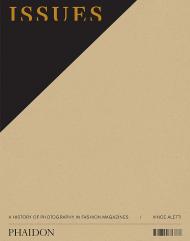
Issues: A History of Photography in Fashion Magazines
21st Century Houses Downunder: Australia and New Zealand
Зеленая природа города. Том 2. Садово-парковое искусство России

The Camondo Legacy: The Passions of a Paris Collector
Church Flowers: The Essential Guide to Arranging Flowers in Church
Riviera Cocktail, Collector's Edition (with signed photo-print, limited and numbered)
French Furniture and Gilt Bronzes: Baroque and Regence
Outside In: A Visual Tour of Indoor Gardens, Garages, Pools, Spas, and More
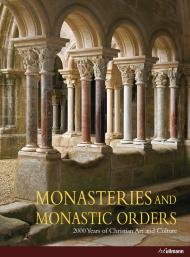
Monasteries and Monastic Orders: 2000 Years of Christian Art and Culture
I Want To Be Her! How Friends and Strangers Helped Shape My Style
The Portrait Photographer's Lighting Style Guide: Recipes for Lighting and Composing Professional Portraits
The Hotel Book. Great Escapes North America (Tascheh 25 - Special edition)
Victorian Architectural Details: Designs for Over 700 Stairs, Mantels, Doors, Windows, Cornices, Porches, and Other Decorative Elements
Экологические основы выбора материалов в архитектурном проектировании
A Woman's Shed: Spaces for Women to Create, Write, Make, Grow, Think, and Escape
Архитектура российского села. Региональный аспект
Textile Designs: 200 Years of Patterns for Printed Fabrics arranged by Motif, Colour, Period and Design
Medieval and Renaissance Stained Glass in the Victoria and Albert Museum
Classic Florida Style: The Houses of Taylor and Taylor
Инженерное оборудование высотных зданий (2-е издание, исправленное и дополненное)
Japanese Woodblock Prints: Artists, Publishers And Masterworks: 1680 - 1900
Профессиональный девелопмент недвижимости. Руководство ULI по ведению бизнеса